Is Fall the Best Time to Seal Pavers in Land O' Lakes, FL?
Is Fall the Best Time to Seal Pavers in Land O' Lakes, FL?
If your driveway, patio, or pool deck has started to look faded, dirty, or patchy, you might be wondering when to have it sealed. In Florida, timing matters more than most homeowners realize.
For most properties in Land O' Lakes, Lutz, and the greater Tampa Bay area, fall and winter are the best time to seal pavers. Florida's dry season brings the weather conditions sealer needs to bond and cure properly, which helps it look better and last longer.
Here's why the dry season is ideal for paver sealing, what can go wrong when sealing in the wrong conditions, and how to get your pavers ready for the year ahead.
Why Fall and Winter Are Ideal for Paver Sealing in Florida
1. Less Rain Means Better Curing
Sealer needs dry pavers and dry weather to bond and cure. In Florida's summer wet season, afternoon storms roll in almost daily, which can wash away fresh sealer, cause cloudy spots, or force a project to be rescheduled. From roughly November through May, rain is far less frequent and much more predictable. That gives sealer the dry window it needs to cure evenly.
2. Lower Humidity Helps Sealer Perform
Florida's summer humidity keeps moisture in the air and inside the pavers and joints. When moisture gets trapped under sealer, it can cause a white, hazy, or milky appearance. Drier fall and winter air allows pavers to dry out completely before sealing, which reduces that risk and improves adhesion.
3. Cooler Surface Temperatures
In the peak of summer, paver surfaces can get extremely hot. Applying sealer to overheated pavers can cause it to dry too quickly before it penetrates properly, leading to an uneven finish. Milder fall and winter temperatures give sealer time to soak in and level out.
4. Get Ready for the Holidays and Spring
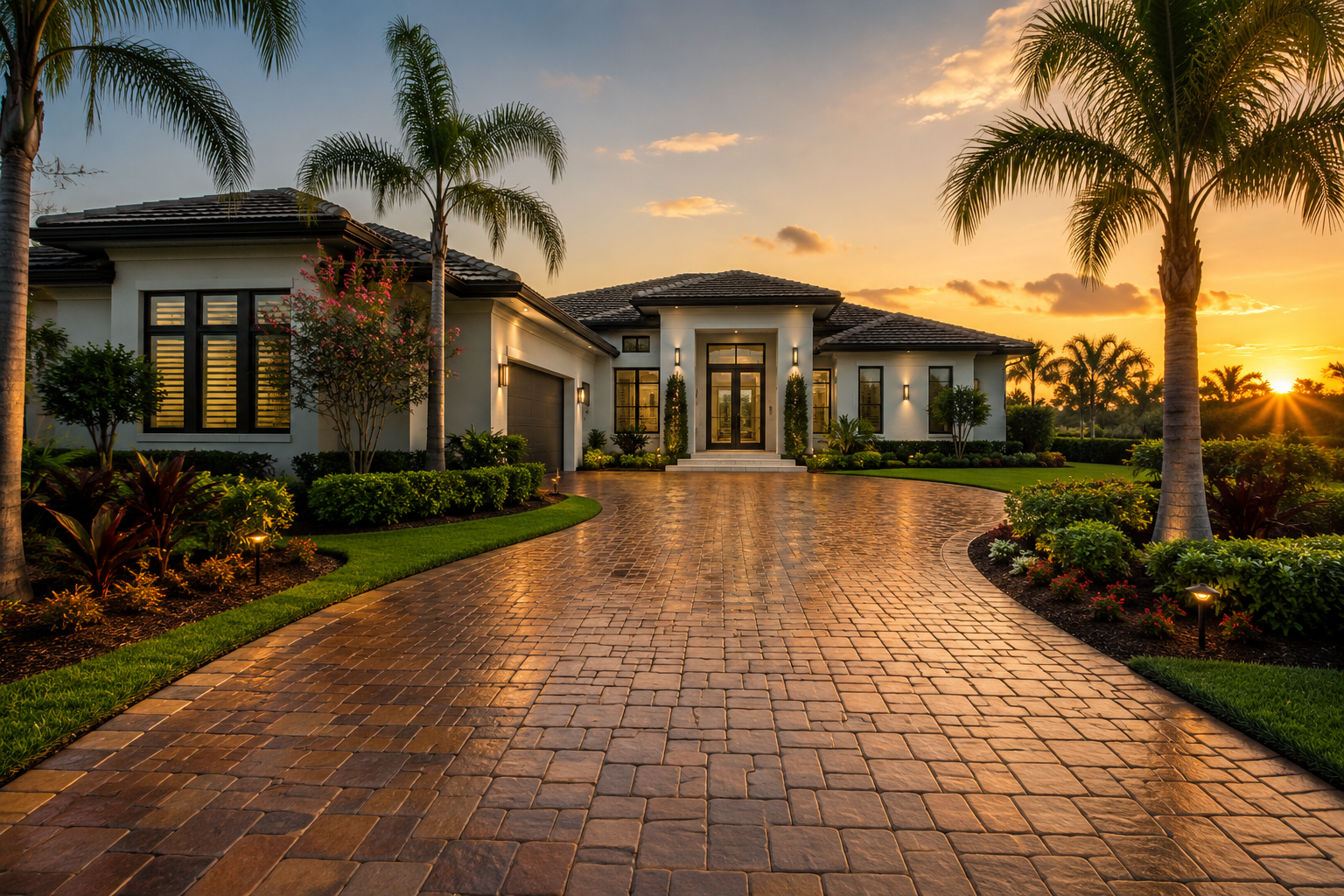
A freshly cleaned and sealed driveway makes a big difference in curb appeal when family and guests come for the holidays. Sealing in the fall also means your pavers are protected before spring pollen and summer storms arrive.
5. Protection Before the Rainy Season
Sealing during the dry season locks in your joint sand and protects the surface before heavy summer rains return. Properly sealed pavers resist joint sand washout, weed growth, mold, mildew, and staining during the toughest months of the year.
What Happens When Pavers Are Sealed in the Wrong Conditions?
Poor timing and poor preparation are two of the biggest reasons paver sealing fails early. Common problems include:
- Cloudy or white haze: Often caused by moisture trapped under the sealer
- Peeling or flaking: Sealer that didn't bond to the surface properly
- Uneven or blotchy color: Sealer applied to hot or partially wet pavers
- Washed-out joint sand: Rain before the sealer cures can loosen sand between pavers
- Short lifespan: Sealer that never fully cures won't protect your pavers for as long as it should
A white haze isn't always a sealer issue. Sometimes it's efflorescence, a natural mineral deposit. Learn more in our guide on what efflorescence on pavers is and how to remove it.
Why Preparation Matters as Much as Timing
Even in perfect weather, sealer only works as well as the surface underneath it. That's why Paver Sealing Solutions follows the same six-step restoration process on every project:
- Turbo tip and stain removal to lift oil, rust, and set-in stains
- Sanitizing to kill mold, mildew, and algae at the source
- Deep surface cleaning to remove embedded dirt and grime from the paver texture and joints
- Spot cleaning and rinsing for any remaining problem areas
- Joint sand replacement to lock pavers in place and help resist weeds and ants
- Two coats of premium commercial-grade sealer for long-lasting protection and richer color
Most residential sealing projects are completed within two days, depending on the size of the area, the weather, and any repairs needed.
Signs Your Pavers Are Ready to Be Sealed
Not sure if your pavers need sealing this season? Look for:
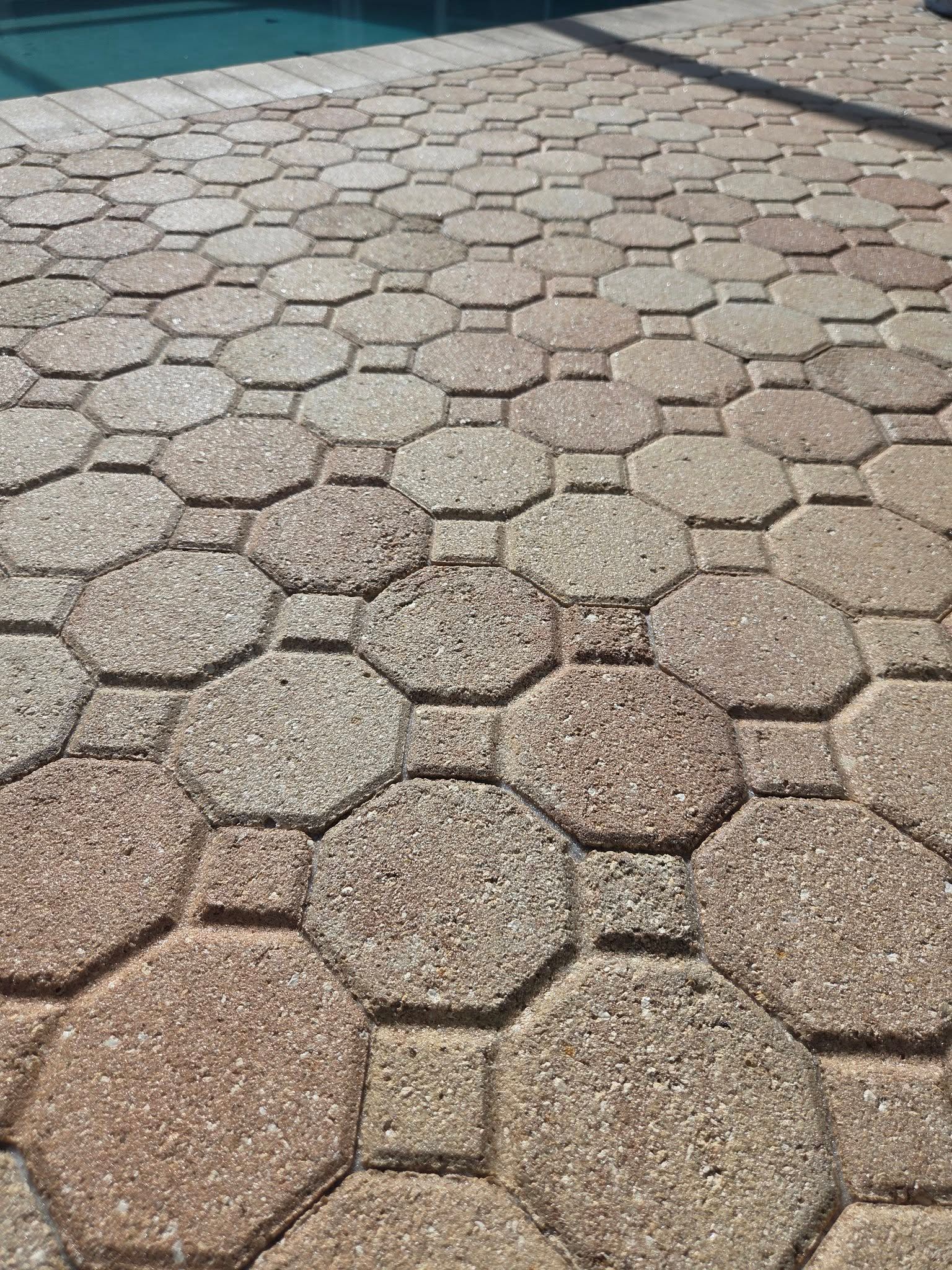
- Faded or washed-out color
- Black mold, mildew, or green algae on the surface or in the joints
- Weeds or ant hills growing between pavers
- Missing or low joint sand
- Oil, rust, or tire stains on your driveway
- Water soaking in quickly instead of beading on the surface
- Several years since your last sealing
Most Florida pavers should be resealed every 3 to 5 years, depending on sun, traffic, and the sealer used. For more detail, read how long paver sealer lasts in Wesley Chapel, FL.
What About Old, Faded, or Damaged Pavers?
Many pavers that look worn out can be brought back without replacing them. Professional paver cleaning and paver restoration can return color and appearance to most surfaces. If pavers are sunken, cracked, or shifted, paver repairs should be done before sealing so the surface is level and safe.
Wondering if your pavers can be saved? See can faded pavers be restored without replacing them. Just had new pavers installed? Read should you seal new pavers right away in Florida before scheduling.
Why Homeowners Choose Paver Sealing Solutions
Paver Sealing Solutions is a veteran-owned, locally operated company based in Lutz with more than 19 years of industry experience and over 700 completed projects. We provide professional paver sealing in Land O' Lakes, Lutz, Wesley Chapel, Tampa, Odessa, Trinity, and communities throughout Hillsborough, Pasco, and Pinellas Counties.
We use premium commercial-grade sealers, follow a detailed six-step process on every job, and back our work with a 2-year workmanship warranty. Want a quick idea of cost before your estimate? Try our paver sealing price calculator.
Frequently Asked Questions
What is the best time of year to seal pavers in Florida?
Fall and winter are usually best. Florida's dry season brings less rain, lower humidity, and cooler surface temperatures, which help sealer bond and cure properly.
Can you seal pavers in the summer in Florida?
Yes, but it's more challenging. Frequent afternoon storms, high humidity, and hot paver surfaces make scheduling harder and can affect how the sealer cures. Experienced crews plan around weather, but the dry season offers the most reliable conditions.
How long after rain can pavers be sealed?
Pavers need to be completely dry before sealing, including the joints. Drying time depends on sun, temperature, and humidity, and is typically faster in the dry season.
How long do sealed pavers need to stay dry?
Fresh sealer needs time to cure before it's exposed to rain, foot traffic, or vehicles. Your crew will tell you exactly when you can walk and drive on your pavers again.
How often should pavers be sealed in Florida?
Most Florida pavers should be resealed every 3 to 5 years, depending on sun exposure, traffic, weather, and the type of sealer used.
How long does paver sealing take?
Most residential paver sealing projects are completed within two days, depending on the size of the area, weather conditions, and any repairs needed.
Schedule Your Paver Sealing This Season
The dry season is the best window of the year to protect your driveway, patio, and pool deck. Don't wait until summer storms are back. Paver Sealing Solutions is veteran-owned, locally operated, and backed by 19+ years of experience, a detailed six-step process, and a 2-year workmanship warranty.
Call 305-304-7995 or request your free estimate today.