Can Faded Pavers Be Restored Without Replacing Them?
Can Faded Pavers Be Restored Without Replacing Them?
If your paver driveway, patio, walkway, or pool deck has lost its original color, you may assume replacement is the only way to make it look good again. Fortunately, faded pavers often don't need to be replaced.
In many cases, professional paver restoration can dramatically improve the appearance of an older surface through deep cleaning, stain treatment, joint-sand replacement, repairs, and professional sealing.
The right solution depends on why the pavers are faded and their overall condition.
Why Do Pavers Fade in Florida?
Florida can be particularly tough on outdoor surfaces. Pavers are constantly exposed to intense sunlight, heavy rain, humidity, dirt, and organic growth.
Over time, several factors can make once-vibrant pavers look dull and faded.
Sun and UV Exposure
Pavers in uncovered areas can receive direct Florida sunlight for hours every day.
Years of UV exposure can gradually affect their appearance, especially when an older protective sealer has worn away.
Worn or Failing Sealer
If your pavers looked significantly better after they were originally sealed but now appear dull, the sealer itself may simply be reaching the end of its useful life.
Old sealer can also wear unevenly, creating areas that look faded or patchy.
In other situations, a failing coating may need to be addressed before a new sealer can be properly applied.
Dirt, Mold, and Organic Growth
Sometimes pavers aren't actually as faded as they appear.
Florida's humid environment makes it easy for dirt, algae, mold, and other organic material to accumulate on outdoor surfaces.
A professional cleaning can sometimes reveal significantly more of the pavers' original color.
Efflorescence
White or cloudy deposits on pavers may be caused by efflorescence, which occurs when naturally occurring salts migrate to the surface.
Efflorescence can make otherwise healthy pavers appear faded or discolored and may require specialized treatment as part of the restoration process.
What Is Paver Restoration?
Paver restoration is more comprehensive than simply pressure washing the surface.
The goal is to evaluate the existing condition of the pavers and address the problems affecting their appearance and performance.
Depending on the condition of the surface, restoration may involve:
- Deep cleaning
- Treatment of stains or organic growth
- Removal or treatment of failing sealer
- Minor paver repairs
- Joint-sand replacement
- Professional sealing
Not every property needs every step. The correct restoration process depends on what's happening with the existing pavers.
Can Sealing Bring Back the Color of Faded Pavers?
It can make a significant difference.
Certain professional sealers are designed to enhance the natural color of pavers, giving them a richer and more finished appearance.
However, the surface needs to be properly prepared first.
Simply applying new sealer over dirty pavers or a failing existing coating can create additional problems rather than improving the surface.
Cleaning and preparation are therefore just as important as the sealer itself.
When Can Pavers Be Restored Instead of Replaced?
If the pavers themselves remain structurally sound, restoration may be an option even when the surface looks significantly older.
Good candidates for restoration may include pavers that are:
- Faded
- Dirty or stained
- Covered with algae or organic growth
- Missing joint sand
- Uneven in appearance
- Covered by an aging sealer
- Experiencing minor isolated damage
A professional evaluation can determine whether cleaning, repair, and resealing are enough to restore the surface.
When Do Pavers Actually Need to Be Replaced?
Restoration can't correct every problem.
Individual pavers may need repair or replacement when they're badly cracked, broken, or physically damaged.
There can also be situations where sections of the paved surface have shifted or settled and need more extensive repair before sealing.
The good news is that damage to a few pavers doesn't necessarily mean the entire driveway, patio, or pool deck needs to be replaced.
Individual problem areas can often be addressed as part of a larger restoration project.
Can an Old Paver Driveway Look New Again?
While no restoration company can literally make an aged material brand new, professional restoration can produce a dramatic improvement.
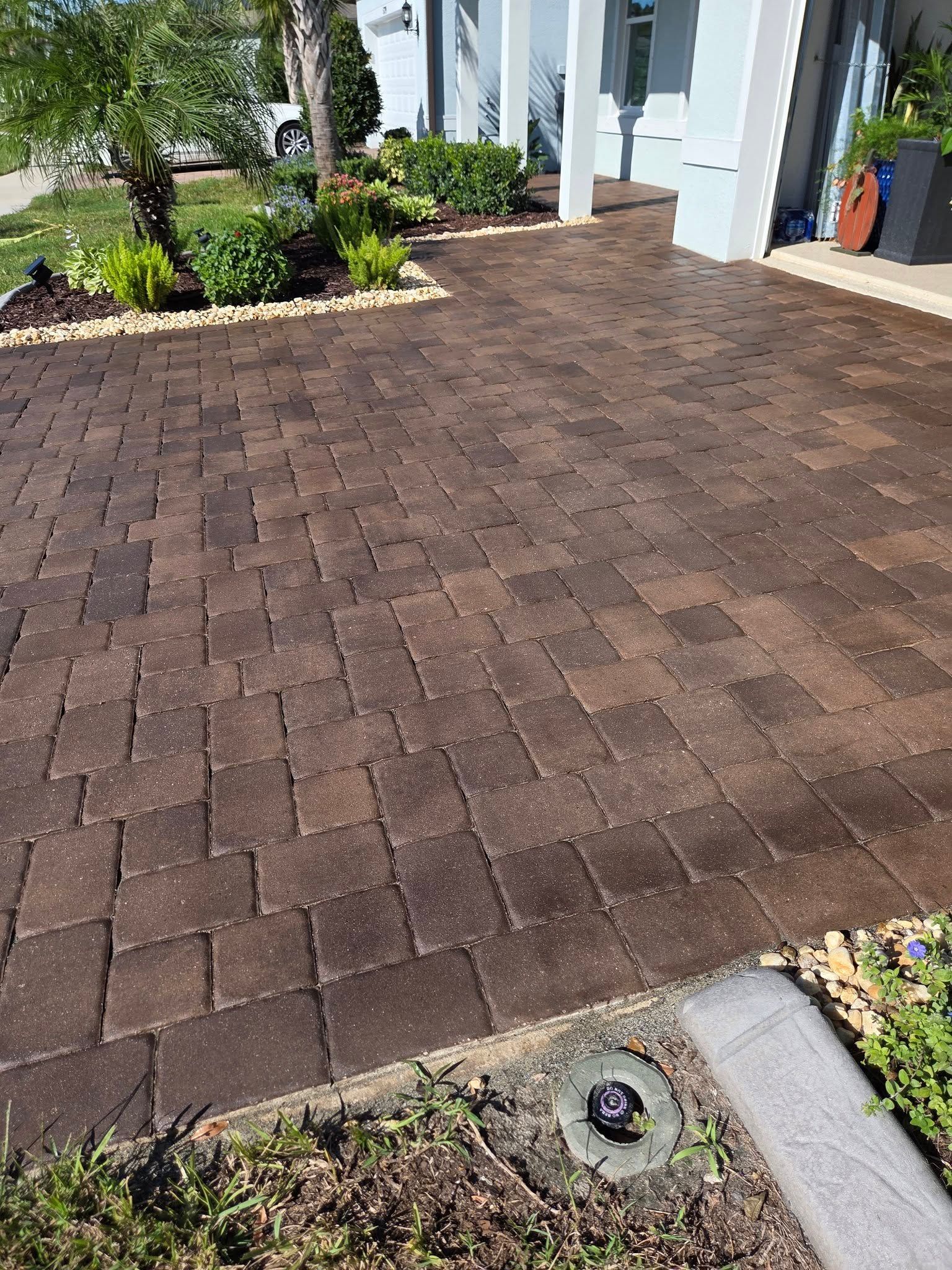
A driveway that has accumulated years of dirt, fading, stains, missing joint sand, and worn sealer can look considerably different after being properly restored.
Cleaning removes buildup from the surface, fresh joint sand restores the spaces between the pavers, and sealing can enhance the finished appearance while providing additional protection.
For many homeowners, restoration can be a practical alternative to tearing out an otherwise functional paver driveway.
What About Faded Pool Deck Pavers?
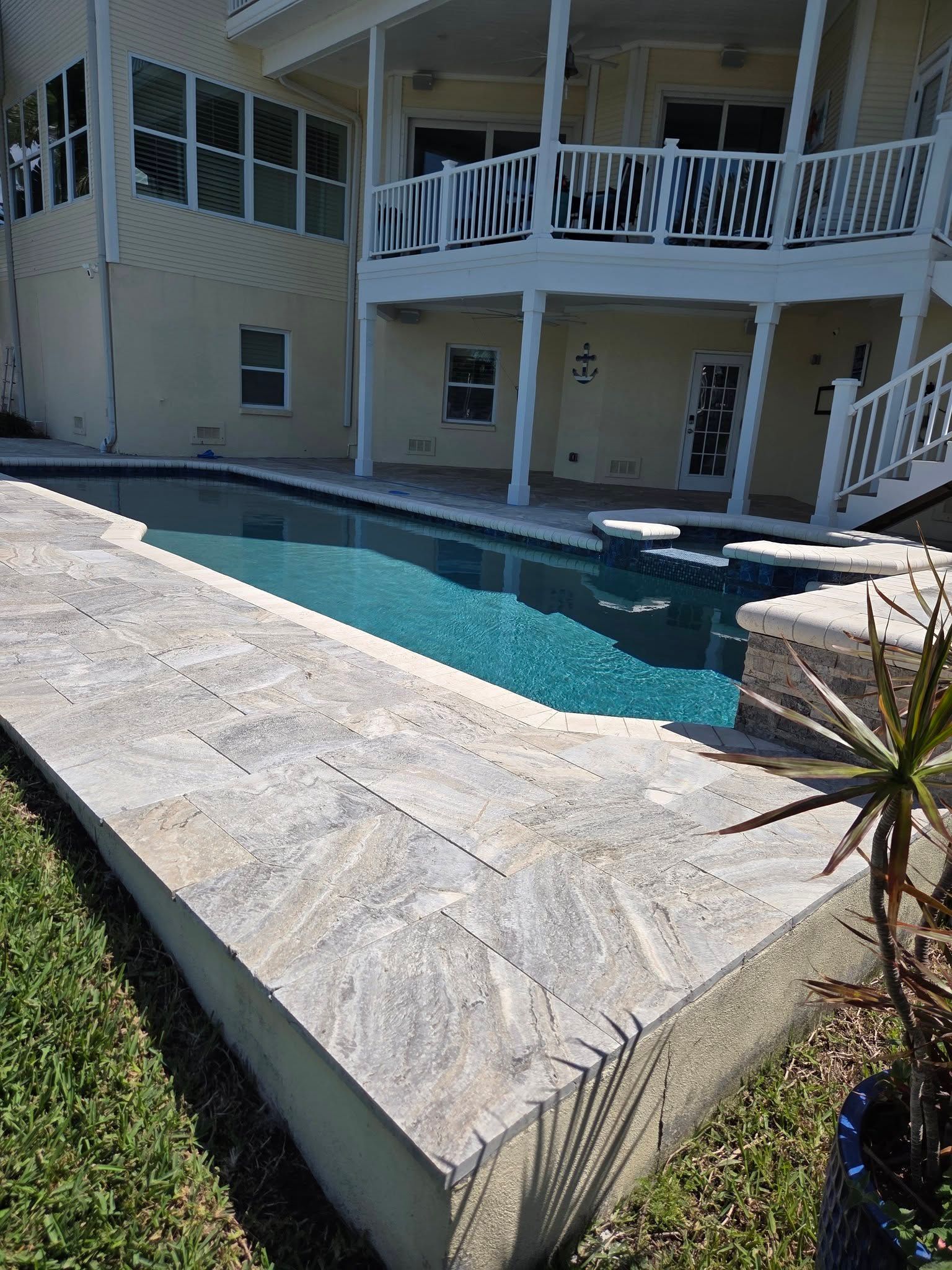
Pool decks are another excellent candidate for restoration.
Florida pool decks regularly encounter sunlight, rain, pool water, foot traffic, dirt, and organic growth.
Over time, these conditions can leave the surface looking faded or worn even when the pavers themselves remain in good condition.
Professional cleaning and restoration can refresh the appearance without requiring an entirely new pool deck.
Because pool decks are frequently wet, the appropriate sealer and surface characteristics should also be considered when planning the project.
Why Joint Sand Matters During Restoration
The spaces between your pavers are an important part of the overall paved surface.
Over time, rain, traffic, cleaning, and weather can remove joint sand.
This can leave noticeable gaps and contribute to an unfinished appearance.
Replacing joint sand before sealing helps restore those joints and prepares the surface for the final sealing process.
Paver Sealing Solutions includes fresh joint sand as part of its restoration process before applying the final sealer.
Can You Just Pressure Wash Faded Pavers?
Pressure washing can remove surface dirt and organic growth, but cleaning alone doesn't address every cause of faded or deteriorating pavers.
If the surface has failing sealer, missing joint sand, stains, damaged pavers, or other issues, additional restoration may be needed.
Improper pressure washing can also disturb joint sand or damage certain surfaces.
A professional restoration process considers the entire paved area rather than focusing only on removing visible dirt.
How Does Paver Sealing Solutions Restore Pavers?
Paver Sealing Solutions uses a multi-step restoration process rather than simply applying sealer to the existing surface.
The process begins by inspecting and preparing the pavers before thoroughly cleaning the surface and addressing problem areas.
The pavers are then prepared for sealing, fresh joint sand is installed, and two coats of commercial-grade sealer are applied.
The exact process may vary depending on the condition of the existing pavers and whether repairs or additional treatment are necessary.
Frequently Asked Questions About Faded Pavers
Why do my pavers look faded after a few years?
Sun exposure, weather, dirt, organic growth, worn sealer, and normal aging can all contribute to a faded appearance. The cause should be identified before deciding how to restore the surface.
Is it cheaper to restore pavers than replace them?
When existing pavers remain in good condition, restoration generally involves significantly less work than removing and replacing an entire paved surface. The actual cost depends on the size and condition of the area and the restoration required.
Can you restore the original color of pavers?
Professional cleaning and color-enhancing sealers can significantly improve the appearance of many faded pavers. Results depend on the age, condition, material, staining, and previous coatings.
Can badly stained pavers be restored?
Many stains can be improved through professional cleaning and specialized treatment, although not every stain can be completely removed. The surface should be evaluated to determine what's causing the discoloration.
Can old sealer be removed from pavers?
Failing or incompatible sealer may sometimes need to be stripped or otherwise addressed before the surface can be properly resealed. The appropriate process depends on the existing coating and its condition.
Restore Your Pavers with Paver Sealing Solutions
If your pavers have become faded, stained, dull, or weathered, don't assume you need to replace them.
Paver Sealing Solutions provides professional paver restoration, cleaning, sealing, repairs, and joint-sand replacement throughout the Tampa Bay area.
Whether you have an aging paver driveway, patio, walkway, or pool deck, the team can evaluate the existing surface and determine whether restoration can bring it back to life.
Contact Paver Sealing Solutions today to request an estimate for your paver restoration project.