Should You Seal New Pavers Right Away in Florida?
Should You Seal New Pavers Right Away in Florida?
If you've recently installed a new paver driveway, patio, walkway, or pool deck, you may be wondering how soon you should have the pavers sealed.
Paver sealing can help protect the appearance of your outdoor surfaces, make routine cleaning easier, and reduce certain types of staining. However, applying a sealer too soon can create problems if the pavers haven't had enough time to dry or if moisture and other installation-related issues haven't been addressed.
For homeowners in Lutz, Wesley Chapel, Tampa, and surrounding Florida communities, understanding when to seal new pavers is an important part of protecting a new installation.
How Long Should You Wait to Seal New Pavers?
There isn't one universal waiting period for every type of paver installation.
Some manufacturers and sealing products allow relatively early application, while others recommend waiting several weeks or longer.
The appropriate timing depends on several factors, including:
- The type of pavers installed
- Whether the pavers are concrete, brick, or natural stone
- The sealer manufacturer's requirements
- Moisture levels within the pavers
- Weather conditions
- Joint sand installation and stabilization
- Whether efflorescence is present
For many new concrete paver installations, contractors may recommend waiting approximately 30 to 60 days before sealing. However, this is only a general guideline, not a requirement that applies to every product or project.
The safest approach is to follow the paver and sealer manufacturers' specifications and have the surface evaluated before application.
Why Shouldn't You Seal New Pavers Too Soon?
Newly installed pavers can retain moisture or develop surface conditions that should be addressed before sealing.
Applying certain sealers before the surface is ready can interfere with adhesion, appearance, and performance.
Trapped Moisture
Moisture trapped beneath some film-forming sealers can contribute to a cloudy, white, or hazy appearance.
Florida's frequent rain and high humidity can make proper drying conditions especially important.
The surface may appear dry while moisture remains within the pavers or joints.
Efflorescence
Efflorescence is a white, powdery deposit that can appear on concrete pavers when soluble salts move to the surface.
It is particularly common on some newer concrete products.
Sealing over visible efflorescence without properly addressing it can affect the finished appearance.
Improper Sealer Adhesion
If the surface is contaminated, excessively damp, or otherwise unsuitable for the selected product, the sealer may not bond or perform as intended.
This can lead to premature wear, uneven appearance, or other application problems.
Proper preparation is just as important as choosing the right sealer.
What Are the Benefits of Sealing New Pavers?
When performed correctly, paver sealing can provide several benefits for Florida homeowners.
Helps Protect Against Stains
Driveways, patios, and pool decks are regularly exposed to dirt, leaves, food spills, and other contaminants.
A suitable sealer can help reduce the absorption of certain substances, making some spills and stains easier to clean.
However, sealing does not make pavers completely stain-proof.
Enhances the Appearance of Pavers
Some sealers enhance the natural color of the pavers, creating a richer appearance.
Others provide a more natural, low-sheen finish.
The result depends on the selected product and the paver material.
Makes Routine Maintenance Easier
Sealed surfaces can be easier to maintain because some contaminants are less likely to penetrate the material.
Regular cleaning is still necessary, but appropriate sealing can simplify certain maintenance tasks.
Helps Protect Against Weather Exposure
Florida pavers are exposed to intense sunlight, frequent rainfall, and changing moisture conditions.
A properly selected and applied sealer can help reduce certain types of surface deterioration and weather-related staining.
The degree of protection varies by product.
Should You Seal a New Paver Driveway?
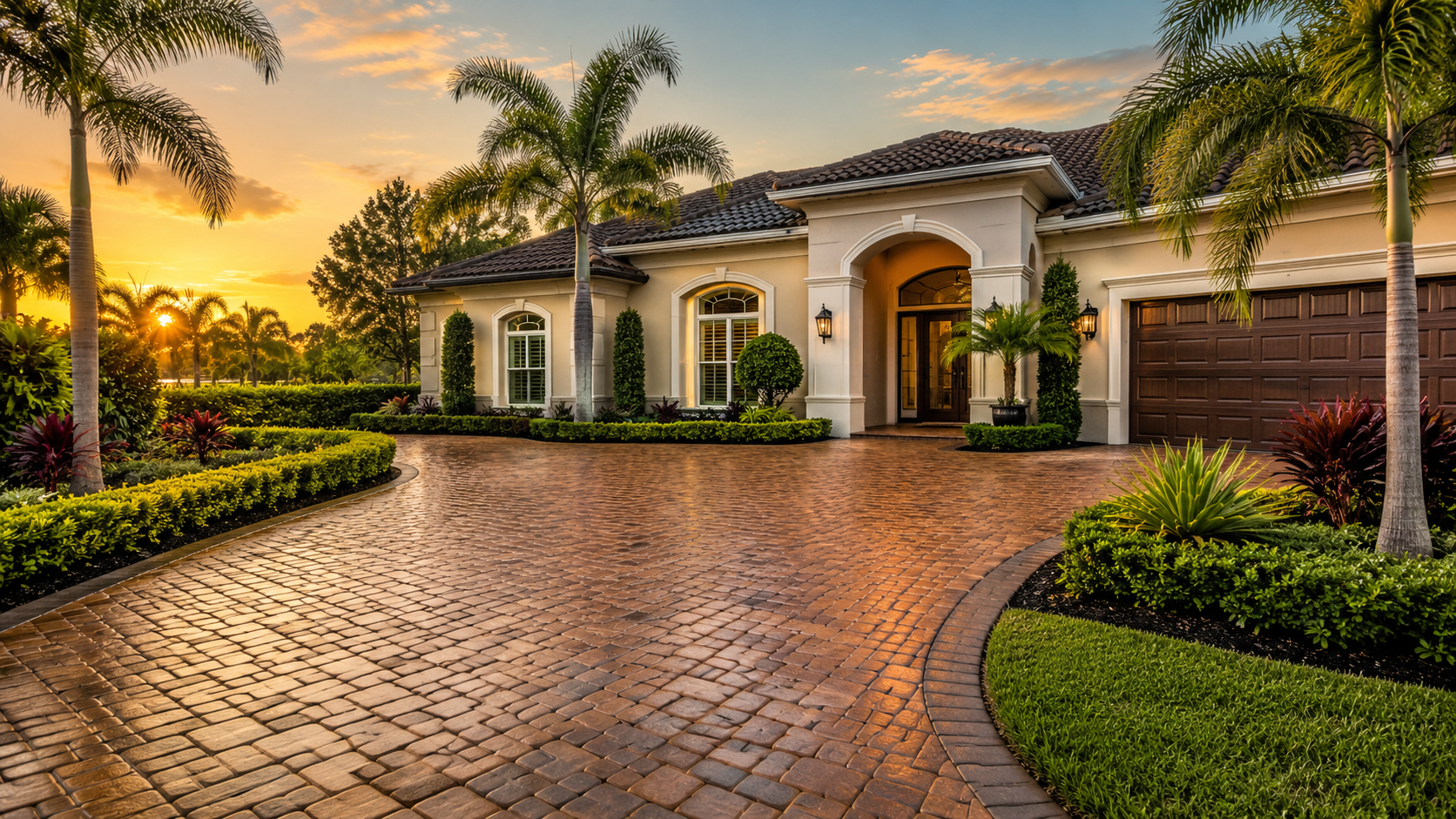
New paver driveways can benefit from professional sealing once the surface is ready.
Driveways experience regular vehicle traffic, tire marks, dirt, and occasional automotive fluid spills.
A suitable sealer can help reduce the absorption of some contaminants and make cleaning easier.
Before sealing, the contractor should inspect the surface, check for stains or efflorescence, and confirm that the pavers meet the selected product's application requirements.
It's also important to select a product appropriate for vehicular traffic.
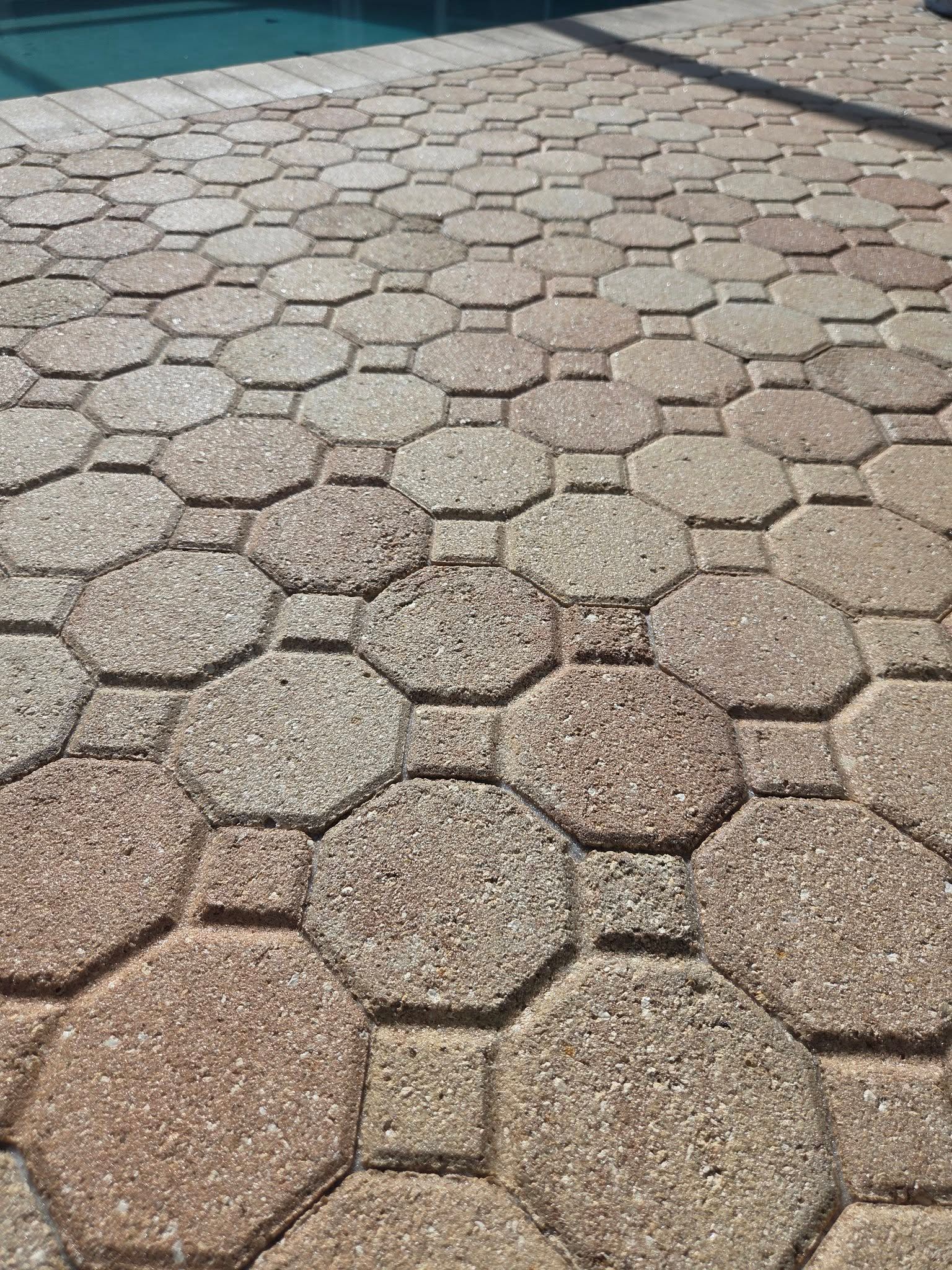
Should You Seal New Pool Deck Pavers?
Pool decks have different requirements from driveways.
Because pool deck surfaces are frequently wet and used by barefoot swimmers, slip resistance is an important consideration.
Some sealers can change the surface texture or become slippery when wet, especially when applied incorrectly or when using certain high-gloss finishes.
A professional should help select a product suitable for pool deck use and discuss any appropriate slip-resistant additives or treatments.
The goal is to protect the pavers without creating an unnecessarily slippery walking surface.
Does Paver Sealing Stop Weeds From Growing?
Sealing may help reduce some conditions that contribute to weed growth, particularly when joint sand is properly installed and stabilized.
However, sealing alone does not guarantee that weeds will never appear between pavers.
Weeds can grow when seeds and organic material accumulate in joints, and ants or erosion can disturb joint sand over time.
Proper joint preparation, sand installation, cleaning, and ongoing maintenance are important parts of keeping a paver surface in good condition.
Do New Pavers Need to Be Cleaned Before Sealing?
Yes. Even newly installed pavers should be inspected and properly prepared before sealing.
Construction dust, dirt, joint sand residue, efflorescence, and other contaminants can affect the finished result.
Depending on the surface condition, preparation may include:
- Removing loose debris
- Cleaning construction residue
- Addressing visible efflorescence
- Treating stains
- Checking joint sand levels
- Allowing the pavers to dry thoroughly
The exact cleaning method should be appropriate for the paver material and manufacturer's recommendations.
Using excessive pressure or harsh cleaning chemicals can damage certain surfaces, so preparation should be performed carefully.
What Happens if You Never Seal Your Pavers?
Not all pavers require sealing, and some homeowners choose to leave them unsealed.
However, unsealed pavers may be more susceptible to absorbing certain stains, depending on their material and porosity.
They may also require more intensive cleaning when dirt, organic material, or other contaminants become embedded in the surface.
Sealing is generally an optional protective treatment rather than a universal requirement.
Whether it makes sense depends on the paver material, exposure, appearance preferences, and maintenance goals.
How Often Should Pavers Be Resealed in Florida?
Many paver surfaces may need resealing approximately every three to five years, but the actual interval varies.
Factors that influence resealing frequency include:
- The type and quality of sealer
- Sun and weather exposure
- Vehicle or foot traffic
- Cleaning methods
- Drainage and moisture conditions
- The condition of the existing coating
Some surfaces may require attention sooner, while others can go longer between applications.
Rather than automatically applying another coat on a fixed schedule, the existing sealer should be evaluated to determine whether cleaning, stripping, or resealing is appropriate.
Is Professional Paver Sealing Worth It?
Professional paver sealing can be beneficial when you want consistent preparation, appropriate product selection, and an even finished appearance.
A professional can evaluate whether the pavers are ready to seal, identify moisture or efflorescence concerns, and select a suitable product for the application.
This is particularly important for larger driveways, pool decks, and surfaces with existing stains or uneven conditions.
Improper sealing can sometimes create problems that are more expensive to correct than the original application.
Frequently Asked Questions
Can you seal pavers immediately after installation?
Sometimes, depending on the paver material, installation conditions, and sealer specifications. However, many projects require a waiting period. Always verify the manufacturer's requirements before sealing.
Is 30 days long enough to wait before sealing pavers?
Thirty days may be sufficient for some installations, but it is not a universal rule. Moisture conditions, efflorescence, and the selected sealer must also be considered.
Will sealing pavers make them slippery?
Some sealers can affect slip resistance, particularly when wet. Pool decks and other frequently wet surfaces should use products and application methods appropriate for those conditions.
Does sealing pavers prevent fading?
Certain sealers can help protect the appearance of pavers, but they cannot completely prevent color changes caused by sunlight, weathering, and normal wear.
Can rain damage freshly sealed pavers?
Rain before the product has adequately cured can interfere with some sealers. The required dry-weather window depends on the manufacturer's instructions and environmental conditions.
Should I seal my new paver patio in Florida?
Sealing may be beneficial for stain resistance, easier cleaning, and appearance enhancement. The right timing and product depend on the patio's material and condition.
Professional Paver Sealing in Lutz, Wesley Chapel, and Tampa, FL
New pavers are an investment in your property's appearance and functionality. Choosing the right time to seal them can help you avoid unnecessary problems and achieve a better finished result.
Paver Sealing Solutions provides professional paver cleaning, sealing, restoration, and related services throughout Lutz, Wesley Chapel, Tampa, and surrounding Tampa Bay communities.
Whether you've recently installed a new paver driveway, completed a patio renovation, or want to protect your pool deck, our team can evaluate the surface and recommend an appropriate sealing approach.
Contact Paver Sealing Solutions today to request an estimate and find out when your new pavers are ready to be sealed.
Visit www.paversealingsolutionsfl.com to learn more about our paver sealing services.